The Topics Covered;
1. Introduction — Scope, quick takeaways.
2. Quick-start itineraries (pick-and-go)
3. Arrivals and getting oriented
4. Lisbon neighborhoods—practical neighborhood guide
5. Top attractions and must-do experiences
6. Practical transport deep-dive
7. Where to stay — neighborhoods & accommodation advice
8. Eating and drinking — local cuisine and practical tips
9. Costs, budgeting, and money-saving tips
10. Safety, health, and practical local rules
11. Accessibility, families, and special needs
12. Seasonal planning and events calendar
13. Hidden gems and local-only experiences
14. FAQs and long-tail queries (SEO-targeted Q and A)
15. Resources, maps, and next steps
16. Buying a home in Lisbon
17. Investing in Lisbon
18. The Golden Visa
19. Living costs with examples as of 2026
20. Schools, hospitals, transports (Living essentials)
21. Visas & Residency Procedures (integrated)
22. Jobs, salaries & the local job market
23. Remote work & coworking in Lisbon
24. Buying property outside Lisbon
25. Starting a business in Portugal
26. Culture, language & integration
27. Safety, legal rights & consumer protections
FAQ's
1. Introduction — Scope, quick takeaways
1.1 What this guide covers (Lisbon municipality only)
This guide covers the Lisbon municipality (city proper): central districts and neighborhoods inside municipal boundaries — Alfama, Baixa/Chiado, Bairro Alto, Príncipe Real, Graça, Mouraria, Parque das Nações, Campo de Ourique, Avenida da Liberdade and adjacent urban areas. For Now, it explicitly excludes nearby municipalities and parishes commonly confused with "Lisbon" — e.g., Loures, Oeiras, Cascais, Sintra, and Lourinhã, and others. Where a popular attraction sits near the boundary (Belém), the guide notes inclusion/clarity.
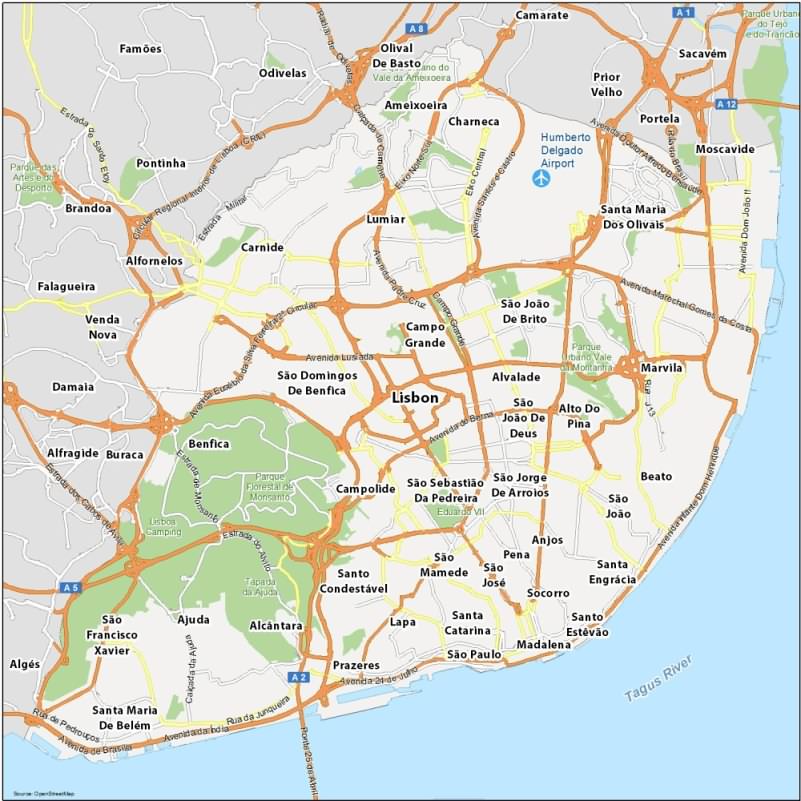
1.2 Quick facts at a glance (population, language, currency, timezone)
- Language: Portuguese (English widely spoken in tourism areas)
- Currency: Euro (EUR)
- Timezone: Western European Time (WET; UTC+0), Western European Summer Time (WEST; UTC+1 in DST)
- Municipality note: Urban core with multiple distinct neighborhoods; expect steep hills and cobbled streets.
1.3 One-line recommendations: best for 1 day / 2 days / 3+ days
- 1 day: Baixa → Alfama → Castelo → Miradouros → quick tram 28 section.
- 2 days: Day 1: historic core; Day 2: Belém or Parque das Nações and museums (note Belém is often treated separately).
- 3+ days: Add slow neighborhood exploration (Príncipe Real, Mouraria), markets, day trips beyond municipal limits if desired.
2. Quick-start itineraries (pick-and-go)
2.1 One-day highlight loop (timed walking route)
- 08:30 — Breakfast at a pastelaria in Baixa (pastel de nata)
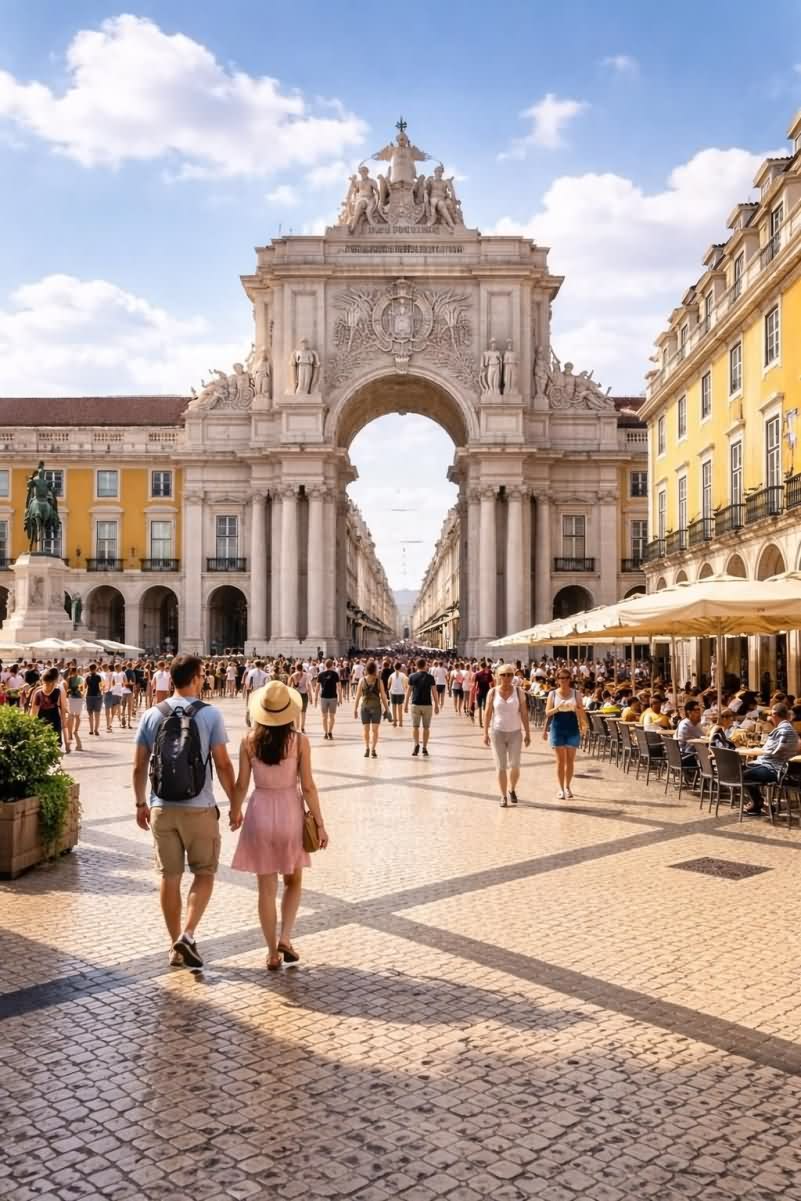
- 09:15 — Praça do Comércio and Rua Augusta arch (photo + short walk)
- 10:00 — Walk up to Santa Justa Elevator / Carmo Convent viewpoints
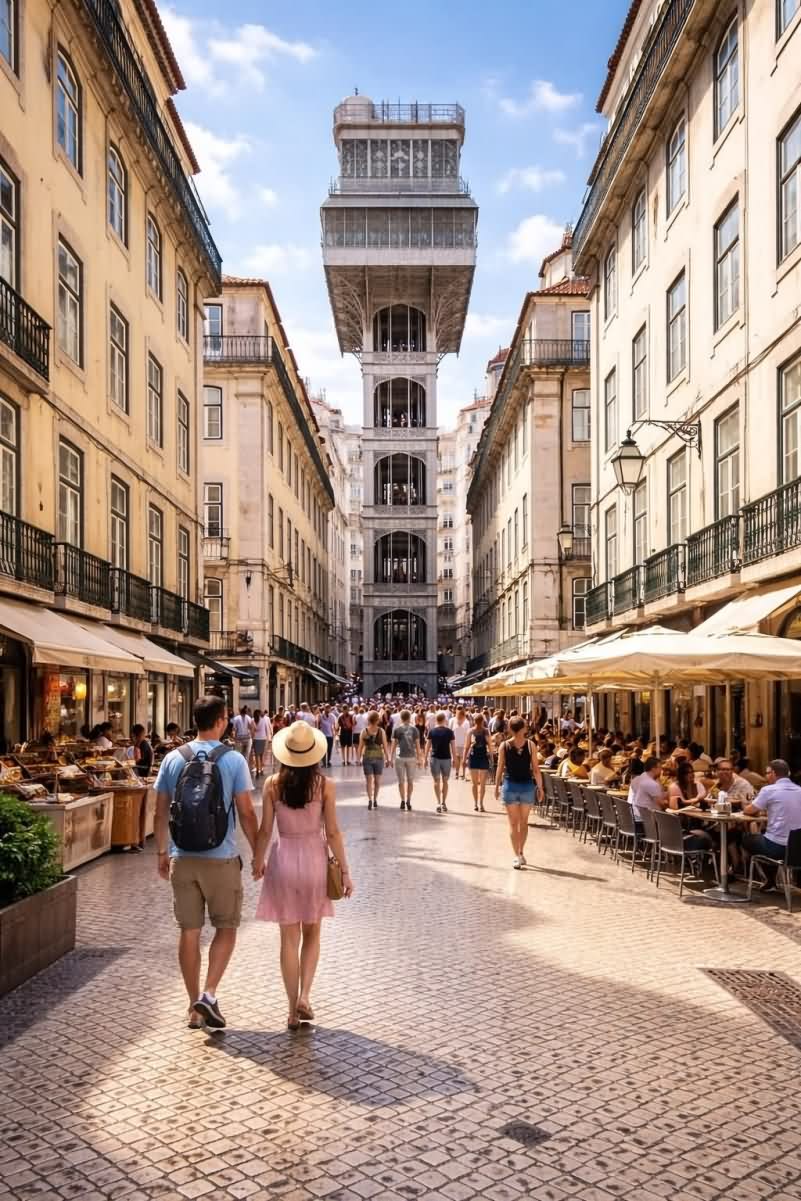
- 11:30 — Tram 28 short ride through Alfama; stop at Sé and Portas do Sol
- 13:00 — Lunch in Alfama (tapas/fado-free options for midday)
- 14:30 — Castelo de São Jorge (skip lines by pre-booking)
- 17:00 — Miradouros (Santa Luzia / Senhora do Monte) for sunset
- 19:00 — Dinner in Bairro Alto/Cais do Sodré
2.2 Two-day core + cultural day
- Day 1: Core loop above, deeper time at museums (National Tile Museum or MAAT if included).
- Day 2: Chiado shopping, Príncipe Real gardens, time market (Time Out Market), evening fado in Alfama (municipal venues recommended).
2.3 Three-day in-depth + slow-travel 3-day option
- Day 3: Parque das Nações (Oceanário) or modern Lisbon; explore tram-free neighborhoods like Campo de Ourique; evening riverwalk.
2.4 5-day relaxed itinerary for locals-in-training
- Include slow mornings, neighborhood markets, a cooking class, street-art walk in Marvila/Mouraria, and a full day visiting Belém (clarify if outside municipal scope where necessary).
3. Arrivals and getting oriented
3.1 From Humberto Delgado Airport: options and time/cost comparison
- Metro (Red Line): 20–25 minutes to city; cost with Viva Viagem ~€1.90–€1.72 (zapping). Best for speed and cost.
- Taxi / Rideshare: 15–30 minutes depending on traffic; typical fare €10–€25 to central Lisbon.
- Airport shuttle / private transfer: More expensive but door-to-door; useful for groups or heavy luggage.
3.2 Train, bus, and ferry arrival points within the city
- Rossio / Santa Apolónia: National rail; Santa Apolónia convenient for Alfama.
- Entrecampos / Oriente: High-speed trains (Oriente inside Parque das Nações).
- Ferries: Cross-Tagus services at Cais do Sodré to Almada (Cristo Rei) — relevant for viewpoints beyond the municipality.
3.3 Where to buy tickets and Viva Viagem basics (how to, cost ranges)
The reusable Viva Viagem or Navegante card is the visitor standard. Load single trips, zapping credit, or 24-hour passes.
| Ticket | Typical 2026 cost (approx.) | Use |
|---|---|---|
| Single (Viva Viagem) | €1.90 | Single metro/tram/bus trip |
| Zapping (preloaded credit) | €1.72 per trip (discounted) | Pay-as-you-go across modes |
| 24-hour unlimited | €7.25 | Unlimited public transport for 24 hours |
| Onboard tram ticket | €3.30 | Single tram purchase (most expensive) |
3.4 First steps: money, SIMs, emergency numbers, tourist offices
- ATMs widely available; card payments common. Carry a few euros in cash for small vendors.
- Prepaid tourist SIMs from major Portuguese providers at airport kiosks or city shops.
- Emergency: European emergency number 112; local police for non-urgent matters.
- Tourist information centers in Rossio and Praça do Comércio for maps and local tickets.
4. Lisbon neighborhoods—practical neighborhood guide
4.1 Baixa & Chiado: what to see, where to eat, transit hubs
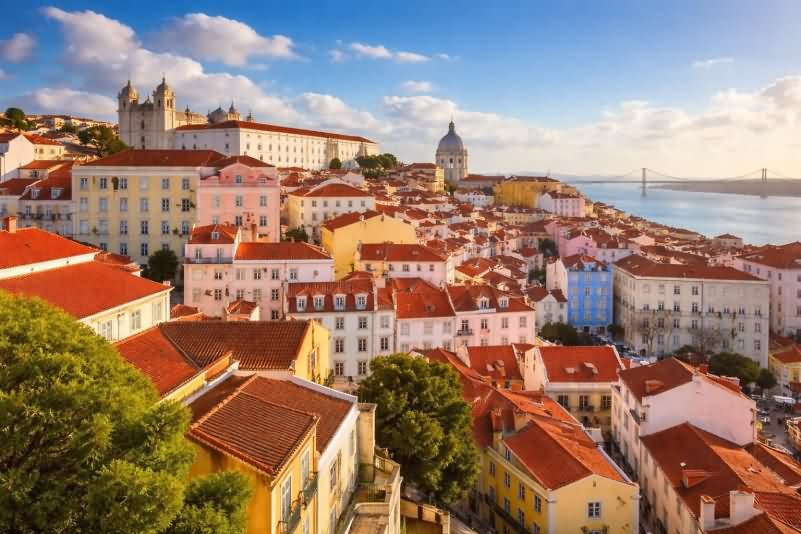
- Flat, grid-like core — Praça do Comércio, Rua Augusta, Santa Justa Elevator.
- Best for first-time visitors: central hotels, metro access, cafés (A Brasileira).
- Transit: Baixa-Chiado metro interchange (Green & Blue lines).
4.2 Alfama & São Vicente: highlights, viewpoints, fado tips
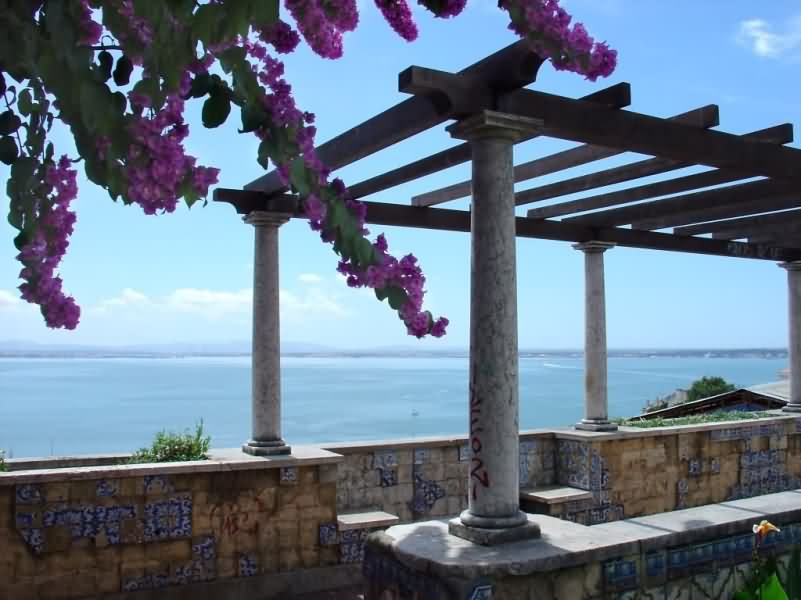
- Labyrinthine alleys, São Jorge Castle access, miradouros (Portas do Sol, Santa Luzia).
- Fado: prefer municipal or recognized casas de fado for authenticity; avoid overpriced tourist traps.
- Tip: Morning walks to avoid crowds and steep heat.
4.3 Bairro Alto & Cais do Sodré: nightlife, best times, safety notes
- Bairro Alto is the nightlife heart; Cais do Sodré offers bars and riverfront dining.
- Noise at night — choose quieter accommodation edges if sensitive.
- Safety: generally safe but be mindful of pickpockets and drink-related incidents late night.
4.4 Mouraria, Intendente & Graça: local culture, street art, markets
- Emerging cultural hubs with street art, authentic eateries, and local markets (Intendente).
- Great for slow travel and discovering non-touristy Lisbon.
4.5 Príncipe Real & Avenida da Liberdade: shopping, parks, luxury
- Príncipe Real: boutiques, gardens, LGBTQ+-friendly scene; Avenida da Liberdade: high-end shopping and hotels.
4.6 Parque das Nações & eastern districts: modern Lisbon essentials
- Modern waterfront, Oceanário, Oriente station; family-friendly with wide promenades and contemporary architecture.
5. Top attractions and must-do experiences
5.1 Miradouros (viewpoints) with best times and crowd tips
- Miradouro da Senhora do Monte — highest viewpoint, best at late afternoon.
- Miradouro de Santa Luzia — iconic tiles; quieter early morning.
- Portas do Sol — photogenic; avoid midday for photos.
5.2 Historic landmarks, churches, and museums (ticket/reservation notes)
- Castelo de São Jorge — arrive early or pre-book to skip queues.
- National Tile Museum, Museu Nacional do Azulejo — reservation recommended on weekends.
- MAAT and Belém monuments — check opening hours; Belém often popular so book timed entries where available.

5.3 Tram 28 and other iconic rides: when and how to ride

Tram 28 is the classic route (Martim Moniz ↔ Prazeres). Tips to avoid crowds:
- Ride early (before 09:30) or late afternoon.
- Board at less-touristed stops (Graça or Campo de Ourique) to increase chance of seating.
- Consider quieter alternatives: Tram 24 or short sections of 28 instead of full route.
- Use Viva Viagem / zapping for cheaper fares and faster boarding.
5.4 Markets, day markets, and food halls to prioritize
- Time Out Market (Cais do Sodré): consolidated high-quality food stalls.
- Mercado da Ribeira and Mercado de Campo de Ourique for local produce and casual dining.
5.5 Fado: where to hear authentic performances (municipal venues vs tourist shows)
- Seek municipal or recommended houses with live performers and modest cover charges.
- Avoid places that package dinner + performance at inflated rates without clear artist credibility.
6. Practical transport deep-dive
6.1 Metro, trams, buses, funiculars: lines and typical uses
- Metro: Fast backbone — Red line to airport, Blue/Green/Yellow connect central nodes.
- Trams & funiculars: Best for short scenic hops and hill access (Santa Justa, Bica, Glória).
- Buses: Fill gaps where metro/tram don't reach; useful at night for some routes.
6.2 Ticketing options explained (single, day pass, Viva Viagem)
Use Viva Viagem/Navegante cards for the best value. For heavy sightseeing days a 24-hour pass is often cheapest; for multi-day stays zapping credit reduces per-trip cost.
6.3 How to plan efficient routes (apps, walking + transit combos)
- Use Google Maps, Citymapper or Moovit for real-time planning. Combine short walks with metro for time efficiency.
- Where hills are steep, plan funiculars or short taxis to conserve energy/time.
6.4 Accessibility notes for mobility-impaired travelers
- Many historic areas have cobbles and steep streets; not all tram stops or viewpoints are wheelchair-friendly.
- Check individual attraction accessibility pages; Parque das Nações and modern venues are more accessible.
7. Where to stay — neighborhoods & accommodation advice
7.1 Best neighborhoods by traveler type (first-timers, families, nightlife)
- First-timers: Baixa/Chiado for central access.
- Families: Parque das Nações for space and attractions.
- Nightlife: Bairro Alto/Cais do Sodré but expect noise.
7.2 Hotel vs apartment vs boutique vs hostel: pros and cons
- Hotels: predictable service and central locations.
- Apartments: more space and kitchen; check elevator access in older buildings.
- Hostels: budget option; choose private rooms for privacy.
7.3 Budget tiers and sample price ranges (shoestring / midrange / splurge)
| Tier | Typical nightly range (central Lisbon) |
|---|---|
| Shoestring | €40–€80 (hostel/private room) |
| Midrange | €90–€180 |
| Splurge | €200+ |
7.4 Safety and noise considerations by district
- Bairro Alto noisy at night; Alfama quieter after midnight but narrow streets complicate noise insulation.
- Choose accommodation on quieter side streets or upper floors away from bars.
8. Eating and drinking — local cuisine and practical tips
8.1 Must-try Lisbon dishes and where to find them
- Pastéis de nata: classic pastelarias (Manteigaria, local bakeries).
- Bacalhau dishes across midrange restaurants.
- Grilled sardines (seasonal street festivals; summer).
8.2 Cafés, pastelarias, and best pastry stops (pastel de nata notes)

- Try multiple pastelarias and avoid tourist-heavy storefronts for best prices and freshness.
8.3 Seafood, casual dining, and market stalls (price expectations)
- Seafood in central restaurants €15–€35 per main depending on place; market stalls cheaper and fresher.
8.4 Tipping, dietary needs, and craft beer / wine scene
- Tipping modest (5–10% for good service); many places accept cards.
- Vegetarian/vegan options growing; mention allergies clearly in Portuguese if possible.
9. Costs, budgeting, and money-saving tips
9.1 Typical daily budgets with examples (low / mid / high)
| Budget | Example daily |
|---|---|
| Low | €40–€70 (hostel, public transport, street food) |
| Mid | €120–€200 (3-star hotel, market meals, some attractions) |
| High | €250+ (boutique hotel, seafood dinners, guided tours) |
9.2 How to avoid tourist premium pricing (timing, pre-booking)
- Book museum/tour tickets online for discounts and to skip lines.
- Eat where locals go—side streets in neighborhoods like Campo de Ourique or Intendente.
9.3 Free and low-cost experiences in Lisbon
- Walk the historic core, visit miradouros, explore markets and gardens, free museum days (check schedules).
9.4 Booking advice: when to buy tickets in advance vs on arrival
- Pre-book high-demand attractions (Castle, MAAT, Oceanário) and fado shows; buy transport cards on arrival.
10. Safety, health, and practical local rules
10.1 General safety by neighborhood and common scams to watch for
- Lisbon is generally safe; common issues are pickpocketing in tourist hubs and on trams (notably Tram 28).
- Avoid unsolicited help with ticket machines; use official kiosks.
10.2 Health services, pharmacies, and emergency contacts
- Pharmacies (farmácias) marked with green crosses; many open late or 24h on rotation.
- Emergency: 112; for non-urgent care check local clinics and hospital directions.
10.3 Local laws and customs (alcohol, smoking, noise rules)
- Smoking indoors often restricted; public drinking rules enforced in some central squares at night.
- Respect quiet hours in residential zones (local regulations vary).
10.4 COVID/health considerations and travel insurance notes
- Check current health advisories before travel; travel insurance recommended to cover medical evacuation and cancellations.
11. Accessibility, families, and special needs
11.1 Wheelchair- and stroller-friendly routes and attractions
- Parque das Nações, Avenida da Liberdade and parts of Baixa are more accessible; many miradouros and Alfama streets are not.
11.2 Traveling with children: kid-friendly attractions and tips
- Oceanário, interactive museums, and parks in Parque das Nações are family favorites.
- Strollers struggle on steep cobbles; lightweight foldable strollers recommended.
11.3 Senior-friendly pace and accommodation suggestions
- Plan fewer steep walks, use taxis or elevators; choose central hotels close to major sites.
11.4 Pet travel basics and pet-friendly places
- Many parks and outdoor cafés accept dogs; check accommodation policies in advance.
12. Seasonal planning and events calendar
12.1 Best months for weather, crowds, and prices
- April–June and September–October offer mild weather and fewer crowds (shoulder seasons).
- July–August busiest and hottest; prices peak.
12.2 Major festivals and events (when to book early)
- Saint Anthony Festival (Festas de Santo António) in June — book early for accommodation and fado tables.
12.3 Shoulder season advantages and crowd-avoidance windows
- Visit midweek in shoulder months for lower prices and shorter lines.
12.4 What to pack by season (microclimate notes for Tagus winds)
- Pack a windproof layer year-round; summers can be cool at night near the river.
13. Hidden gems and local-only experiences
13.1 Lesser-known viewpoints, cafés, and alleys
- Small cafés in Graça, terraces in Campo de Ourique, side-alleys of Mouraria with street art.
13.2 Neighborhood walks off the tourist trail (short routes)
- Mouraria to Intendente loop — street art, markets, and authentic eateries.
13.3 Local markets, artisans, and specialty stores
- Check small craft shops in Príncipe Real and local markets for ceramics and tiles.
13.4 Experiences with locals: workshops, small-group tours, community events
- Cooking classes, tile-painting workshops, and small walking tours by local guides provide deeper context than large groups.
14. FAQs and long-tail queries (SEO-targeted Q and A)
14.1 Is Lisbon safe at night for solo travelers?
Generally yes, especially in tourist areas; exercise usual city caution, avoid isolated streets late at night, and watch for pickpockets on crowded trams and plazas.
14.2 Difference between Lisbon city and Greater Lisbon
Lisbon city (municipality) is the administrative core. Greater Lisbon includes surrounding municipalities (Cascais, Sintra, Oeiras, Loures) with separate councils and often different transport/attraction logistics.
14.3 How to avoid queues for popular sites
- Pre-book timed tickets, arrive early, visit on weekdays or shoulder seasons, and use lesser-known access points where available.
14.4 Where to hear authentic fado and how much it costs
Choose municipal or recommended casas de fado; cover charges vary from €10–€30 plus optional dinner. Verify artist listings to avoid tourist-only packages.
14.5 How much to budget per day (examples)
See section 9.1 — low €40–€70; mid €120–€200; high €250+ depending on accommodation and activities.
14.6 How to use the Viva Viagem card
Buy at metro stations or kiosks, load with zapping credit or time passes, validate at validators when boarding or entering stations; carry it for connections.
14.7 Are trams wheelchair accessible?
Historic trams (e.g., Tram 28) are not fully wheelchair accessible; use buses, modern trams, or metro for accessible travel and check attraction accessibility pages.
14.8 Is Belém part of Lisbon municipality?

Belém is within the Lisbon municipality but often discussed separately due to its cluster of monuments; check boundaries and travel times from central districts.
14.9 Best time to ride Tram 28 to avoid crowds?
Early morning (before 09:30) or late afternoon; board from less-touristed stops (Graça or Campo de Ourique) for better seating chances.
14.10 Are there free museum days?
Many museums have scheduled free days or reduced prices; check official museum websites before visiting for current offers.
15. Resources, maps, and next steps
15.1 Printable checklists, GPX walking routes and downloadable itinerary PDF
Create and download concise printable itineraries: 1-day, 2-day, and 3-day PDFs and GPX walking files for offline navigation. Include a simple city-limits map clarifying what’s included.
15.2 Official sources to verify current fares and opening hours
- Carris / Metropolitano de Lisboa websites for transport updates and fare changes.
- Official museum sites and municipal tourism pages for opening hours and booking.
15.3 Suggested internal links for deeper dives (food guide, day trips)
- Food & drink guide, neighborhood deep-dives, and day-trip pages (Sintra, Cascais) as separate posts (note: day trips may be outside municipality).
15.4 Last updated note and verification log (date-stamped)
Prices and service notes checked for 2026 where cited; always verify timings and fares shortly before travel. Last verified: May 1, 2026.
16. Buying a home in Lisbon
16.1 Overview of the Lisbon property market (city vs suburbs)
Lisbon remains Portugal’s most expensive and dynamic housing market. Core city districts (Baixa, Chiado, Alfama, Bairro Alto, Príncipe Real) command premium prices driven by tourism, international buyers, and strong rental demand. Suburbs (Amadora, Oeiras, Cascais, Almada across the river) provide lower price-per-m², larger units and family-friendly neighbourhoods, with faster commuter links since recent transport upgrades.
16.2 Types of housing: apartments, townhouses, new builds vs PIP (rehab)
- Apartments (T0–T4+): most common in central Lisbon; range from studio flats to family units.
- Townhouses / moradias: often in older quarters or suburbs; may require renovation.
- New builds: higher energy-efficiency, guarantees, but higher price-per-m²; often targeted to buyers seeking mortgage-friendly properties.
- PIP / rehabilitation projects: older buildings with PIP (projecto de reabilitação) can offer value but carry renovation and licensing risk.
16.3 Step-by-step buying process
- Search and shortlist properties (open viewings, online portals, local agents).
- Offer and negotiation — agree price and terms.
- Promissory contract (Contrato-Promessa de Compra e Venda): buyer typically deposits 10–30% as binding earnest money.
- Due diligence and financing — surveys, legal checks, mortgage offers.
- Final deed (Escritura) at a notary: transfer of title, payment of remaining funds, registration.
16.4 Legal and tax considerations
Key costs and legal steps to budget for:
| Item | Typical rate/notes |
|---|---|
| IMT (property transfer tax) | Progressive for main residences; flat rates for second homes — calculate before offer |
| Stamp duty (Imposto do Selo) | ~0.8% on purchase price |
| Notary & registration | €300–€1,000 depending on complexity |
| Solicitor fees | Usually 1%–2% of price (can be fixed) |
| IMI (annual property tax) | 0.3%–0.8% of tax value, varies by municipality |
16.5 Working with agents, lawyers, and surveyors
Choose professionals with Portuguese registrations, clear fee structures, and references. Typical selection process:
- Agent: look for multi-listing capability and local knowledge; confirm MLS/source exposure.
- Lawyer (advogado): verify OAB/Ordem dos Advogados membership; task them with title search and contract review.
- Surveyor / engineer: structural report for older buildings; building compliance check for PIP projects.
16.6 Financing and mortgages for residents and non-residents
Typical LTV: residents 70%–90% depending on bank and profile; non-residents often 60%–70%. Document checklist commonly includes:
- Passport/ID, NIF (Portuguese tax number)
- Proof of income (last 3–6 months payslips, contracts)
- Bank statements (3–6 months)
- Employment contract or self-employed accounts
16.7 Common pitfalls and negotiation tips
- Check condominium accounts for arrears.
- Get an independent structural/LEED/energy inspection.
- Avoid overpaying due to emotional bidding in hot neighbourhoods; use comparable sales (preços transacionados).
- Include realistic timelines and conditional clauses in the promissory contract.
17. Investing in Lisbon
17.1 Investment vehicles
Common approaches:
- Buy-to-let (long-term tenancy)
- Short-term rentals (Alojamento Local — AL)
- Commercial property (retail, offices, storage)
17.2 Market indicators to watch
- Gross yield (annual rent / purchase price)
- Price-per-m² trends by neighbourhood
- Vacancy rates and seasonality
- New supply pipeline (new builds & conversions)
17.3 Regulatory environment for rentals
Short-term rental licensing (AL) requires municipal registration and compliance with safety standards; some neighbourhoods impose restrictions. Tax treatment differs — short-term revenue taxed as business income in many cases.
17.4 Financial analysis
Example ROI calculation (simplified):
| Input | Value |
|---|---|
| Purchase price | €450,000 |
| Gross annual rent | €24,000 |
| Gross yield | 5.3% |
| Operating expenses (15%) | €3,600 |
| Net yield | ~4.5% |
17.5 Working with property managers and tax advisors
Property managers are essential for short-term rentals; expect 15%–30% fees depending on services. Use tax advisors to structure income (individual vs company) and claim allowable expenses.
17.6 Exit strategies
Consider resale timelines (urban apartments often quicker to sell than rural villas), capital gains tax on non-residents, and portability of rental contracts.
18. The Golden Visa
18.1 What the Golden Visa is and who it suits
The Golden Visa is a residency-by-investment program designed for non-EU investors who meet qualifying investment thresholds. It suits investors seeking residency rights, visa-free Schengen travel, and a path to permanent residency or citizenship (subject to residence and other requirements).
18.2 Eligible investment routes
- Real estate purchases (thresholds vary by location and property type)
- Capital transfer (minimum amounts into bank accounts or funds)
- Job creation / business investment
18.3 Application process and timeline
Process steps: prepare documents (passport, criminal record, investment proof), apply online, schedule biometrics, receive residence card. Processing times vary — plan for several months.
18.4 Recent rule changes and cautions
Rules have been updated to restrict Golden Visa investment in high-density Lisbon and Porto areas and channel investments to low-density areas and alternative routes. Verify current regulations before choosing property for a Golden Visa.
18.5 Tax residency and NHR interplay
Golden Visa holders may still become tax residents if they spend >183 days/year in Portugal or have habitual residence; Non-Habitual Resident (NHR) tax regime can provide benefits but has separate eligibility rules.
18.6 Alternatives to Golden Visa
Common alternatives: D7 passive income visa, work permits, entrepreneur visas. Each has different residency, work and tax implications.
19. Living costs with examples as of 2026
19.1 Monthly cost breakdown
| Category | Monthly cost (range) |
|---|---|
| Rent (1-bed central Lisbon) | €900–€1,700 |
| Utilities (electricity, water, gas) | €80–€160 |
| Internet & phone | €25–€50 |
| Groceries (single) | €150–€300 |
| Transport (monthly pass) | €30–€55 |
| Childcare (full-time) | €250–€600 |
19.2 Sample budgets
Single professional (mid-range, Lisbon)
- Rent: €1,200
- Utilities + internet: €130
- Food & essentials: €250
- Transport & leisure: €150
- Total ≈ €1,730/month
Dual-income family with children
- Rent (3-bedroom suburb): €1,800
- Utilities + internet: €200
- Groceries: €450
- Childcare / school extras: €600
- Total ≈ €3,050/month
19.3 Housing cost examples by neighbourhood
Central neighbourhoods: higher per-m² and premium services. Suburbs: lower rent, larger units.
19.4 Utilities and services
Electricity billed monthly; water often bimonthly. Energy prices vary seasonally — budget more in winter if heating required.
19.5 Taxes, social security and healthcare costs
Residents contribute to social security via payroll; public healthcare (SNS) is largely funded through taxation and contributions. Private insurance varies by coverage and provider.
19.6 Money-saving tips
- Use monthly transport passes or commuter cards.
- Shop local markets for produce and seasonal goods.
- Compare energy suppliers and use smart meters where available.
20. Schools, hospitals, transports (Living essentials)
20.1 Education overview
Options: public state schools (free), private national schools (paid), and international schools (IB, British, American curricula). Enrollment timing, waiting lists and language considerations vary by school.
20.2 Healthcare
Public SNS system provides primary care; private hospitals offer shorter waits and English-language services. Expats often combine public access with private insurance for comprehensive coverage.
20.3 Childcare and early years
Crèches and jardins-de-infância can have waitlists; private options are available at higher cost. Planning ahead is crucial for popular neighborhoods.
20.4 Daily commute
Lisbon offers metro, tram, bus and suburban rail (CP, Fertagus). Commute times vary widely; many professionals in tech cluster near Parque das Nações and central business hubs.
20.5 Child-friendly transport and school commute safety
- School buses and municipal transport services exist for some schools.
- Portugal enforces seatbelt laws and child-restraint regulations — check local retailer options.
20.6 Utilities setup and local bureaucracy
- Register for NIF (tax number) — essential for contracts and services.
- Open bank account to simplify direct debit for utilities.
- Expect some in-person admin for certain registrations; carry passport and proof of address.
21. Visas & Residency Procedures
21.1 Overview of main visa/residency routes
Primary pathways: D7 (passive income/retirement), work visas (employment-based), Golden Visa (investment), family reunification, and entrepreneur/startup visas.
21.2 D7 visa: eligibility & documents
- Proof of stable passive income (pensions, dividends, remote income)
- Criminal record certificate, passport, accommodation proof, NIF in some cases
- Renewals require periodic presence but generally lower stay obligations than other visas
21.3 Work permits and visas
Employer-sponsored work visas require a job offer and employer application; skilled roles and EU Blue Card applicants follow specific salary thresholds and paperwork.
21.4 Family reunification
Dependents can apply after the primary applicant secures residency; requirements include proof of relationship, accommodation and adequate means.
21.5 Temporary vs permanent residency
Temporary residence cards are renewable; permanent residency typically requires five years of legal residence and evidence of integration.
21.6 Citizenship path
Citizenship via naturalization generally requires five years’ residence, language ability (A2/B1 depending on updates), clean criminal record and evidence of effective integration.
21.7 Practical application steps
- Organize documents early—translations and apostilles where needed.
- Use SEF (or its successor services) portals and schedule biometrics promptly.
- Expect processing times that vary; plan travel and business timelines accordingly.
21.8 Interactions with tax residency and NHR
Residency status affects tax liability; applying for NHR can offer preferential taxation for certain incomes for a limited period (commonly 10 years) but requires careful planning.
21.9 Common application pitfalls
- Missing apostilles or non-certified translations
- Insufficient proof of income or accommodation
- Not accounting for updated residence rules — always verify current guidance
22. Jobs, salaries & the local job market
22.1 Overview of the Lisbon labour market
Key growth sectors: technology & startups, tourism & hospitality, financial services, life sciences. Lisbon’s startup ecosystem is strong, with accelerators, incubators and remote-friendly companies.
22.2 Typical salaries by role
| Role | Typical annual gross (range) |
|---|---|
| Junior developer | €18,000–€28,000 |
| Senior developer | €35,000–€65,000 |
| Marketing manager | €25,000–€45,000 |
| Hospitality staff (entry) | €10,000–€18,000 + tips |
22.3 How to search and apply
Use portals (e.g., national job boards and LinkedIn), local recruiters, and networking events. Many international companies hire English-first; Portuguese improves chances for local roles.
22.4 Hiring process and work culture
- Probation periods are common (typically 90 days).
- Contracts: fixed-term vs indefinite (sem termo).
- Work culture values directness and respect for hierarchy in some sectors; startups may be flatter.
22.5 Employee benefits & social security
Employers make social security contributions; mandatory vacation days and parental leave follow national rules. Confirm benefits and tax withholding in the employment contract.
22.6 Freelance, contractor & gig economy
Independents register as ENI or form companies; VAT and social security contributions apply. Invoice management and VAT compliance are key daily tasks.
22.7 Taxes on employment income
Progressive income tax bands apply; employers typically withhold IRS (withholding tax). Year-end declarations reconcile liabilities.
22.8 Negotiation tips
- Benchmark offers against local salary data and cost-of-living.
- Negotiate benefits like remote days, training budgets, or relocation support.
23. Remote work & coworking in Lisbon
23.1 Digital nomad and remote-worker options
Short-term remote stays are common; long-term remote work requires visa and tax planning to avoid double taxation.
23.2 Coworking spaces and neighbourhoods
Popular coworking areas: Avenida Liberdade, Cais do Sodré, Principe Real, Parque das Nações. Consider community events, meeting rooms and 24/7 access when choosing.
23.3 Internet, mobile and home office setup
- ISPs offer fibre 200–1,000 Mbps in many neighbourhoods.
- Budget for UPS or backup mobile hotspot if uptime is critical.
23.4 Local etiquette and time zones
Portugal uses Western European Time (WET/WEST); coordinate meetings accordingly. Local workday often runs 9–18 with lunch breaks common.
23.5 Taxes & social security for remote workers
If employed by a foreign company, determine whether you remain tax resident in your home country or Portugal. Consult a cross-border tax expert.
23.6 Networking & community
Meetups and startup events are frequent; use Slack/Telegram groups and coworking events to build connections quickly.
23.7 Practical checklist for remote workers
- NIF and bank account
- Health insurance and emergency contacts
- Reliable ISP and backup connectivity
24. Buying property outside Lisbon
24.1 Regional market overview
Porto and the Norte have seen strong demand and price growth; the Algarve remains a retirement and holiday hotspot with seasonal peaks. Secondary cities (Coimbra, Braga, Évora) offer lower prices and local employment hubs.
24.2 Price-per-m2 and demand drivers
Demand drivers include tourism (Algarve), university towns (Coimbra), and local industry (Porto tech clusters). Price-per-m² can be 30–60% lower outside Lisbon depending on the region.
24.3 Types of properties common regionally
- Algarve: villas, coastal apartments, holiday plots.
- Porto: historic townhouses, modern riverfront apartments.
- Inland: quintas (country estates), rural houses requiring renovation.
24.4 Local regulatory differences
Municipal planning and coastal protection laws can affect redevelopment potential. Check local PDM (municipal master plan) and licensing regimes.
24.5 Financing and mortgage availability regionally
Banks assess collateral and local market liquidity; lenders may require lower LTV for rural properties or holiday-used assets.
24.6 Working with local agents, lawyers and architects
Local professionals often have the best knowledge of municipal procedures and contractor networks. Use local references and confirm prior project examples.
24.7 Rental market dynamics and seasonality
Algarve has strong short-term seasonal rentals; university towns generate steady long-term demand from students and staff.
24.8 Due diligence checklist
- Check land registry and cadastre (Conservatória do Registo Predial)
- Verify license for holiday rentals
- Assess flood/fire risk maps
24.9 Renovation and PIP considerations
Contractor availability and material costs can vary regionally; budget contingencies for remote sites.
24.10 Exit strategies
Regional resale can be slower; align expectations with local market activity and seasonality if relying on tourist demand.
25. Starting a business in Portugal
25.1 Choosing a legal form
Common structures:
- ENI (sole trader / trabalhador em nome individual)
- Lda (limited company — Sociedade por Quotas)
- SA (public limited company) for larger enterprises
25.2 Step-by-step incorporation
- Choose company name and verify availability
- Obtain NIF for founders
- Prepare articles and minimum share capital (depends on type)
- Register at Registo Comercial and open business bank account
25.3 Registrations & licences
Sector-specific licences (food, tourism, construction) require municipal approvals and health/safety checks.
25.4 Taxation basics
Corporate tax (IRC) rates, VAT (IVA) brackets and incentives like SIFIDE (R&D tax credits) can materially affect cashflow — get early tax planning.
25.5 Grants, incentives & supports
Government agencies and EU funds provide startup supports, R&D incentives and regional grants — eligibility depends on sector and job creation.
25.6 Hiring employees
Draft compliant employment contracts, register for social security and payroll, and follow collective bargaining rules where applicable.
25.7 Accounting & compliance
Monthly VAT returns, annual accounts and payroll filings are mandatory; many SMEs outsource to accountants to ensure compliance.
25.8 Opening business bank accounts & payments
Expect KYC procedures; compare banks for international transfer fees and fintech options that support multi-currency receipts.
25.9 IP, data protection & regulation
Register trademarks via INPI; implement GDPR-compliant processes early, especially if handling customer data.
25.10 Founder checklist
- Timeline and budget for incorporation
- Advisors: accountant, lawyer, local mentor
- Market validation and a lean financial model
26. Culture, language & integration
26.1 Overview of Portuguese culture
Portuguese social norms value politeness and hospitality. Formal greetings are common in initial meetings; familiarity increases with time.
26.2 Learning Portuguese
Recommended resources: in-person language schools, online platforms (structured courses), tandem exchanges and immersion. Realistic targets:
- A1–A2: 2–4 months part-time
- B1–B2: 6–12 months with consistent practice
26.3 Community integration
Join local clubs, volunteer, or attend meetups to build social capital. Language classes double as social networks.
26.4 Everyday etiquette
- Handshake and eye contact in formal settings; cheek-kisses among friends
- Tipping modestly in restaurants (5%–10%) is appreciated but not mandatory
26.5 Festivals & holidays
Major events like Festa de São João (Porto) and Lisbon’s Festas de Santo António affect opening hours and provide cultural immersion.
26.6 Religion & diversity
Portugal is broadly secular with Catholic traditions; public life reflects religious festivals but is pluralistic overall.
26.7 Raising children bilingually
Start early with consistent exposure to Portuguese through school, playgroups and local media.
26.8 Housing/building etiquette
Observe condominium rules — noise and rubbish schedules are enforced more strictly in residential buildings.
26.9 Media & staying informed
Follow local newspapers, radio and community Facebook groups to track neighbourhood news and administrative updates.
26.10 Practical integration checklist
- Learn key phrases for day-to-day tasks
- Register at the local parish (Junta de Freguesia) where relevant
- Find local doctor and dentist early
27. Safety, legal rights & consumer protections
27.1 Personal safety overview
Portugal ranks among safer European countries; common petty crimes target tourists (pickpocketing). Use usual precautions in crowded areas.
27.2 Tenant and landlord rights
Leases should be in writing; deposits are typically one to two months. Eviction follows legal procedures — seek legal counsel for disputes.
27.3 Consumer rights and warranties
Standard warranties apply to consumer goods; resolve disputes through small claims or consumer arbitration bodies.
27.4 Dealing with police and emergencies
- Emergency number: 112
- Carry ID; report theft promptly and obtain a police report for insurance claims
27.5 Small-claims and dispute resolution
The Centro de Arbitragem do Consumo offers faster resolution for consumer disputes; small-claims courts handle lower-value cases.
27.6 Legal aid and finding a lawyer
Seek lawyers specializing in housing, immigration or employment as needed; bar associations can provide lists of qualified lawyers.
27.7 Employment rights and workplace disputes
Report workplace violations to ACT (Autoridade para as Condições do Trabalho) if necessary; unfair dismissal claims follow defined legal pathways.
27.8 Data protection and GDPR
Individuals have rights to access, correct and erase data. The CNPD supervises data protection enforcement in Portugal.
27.9 Insurance basics
Prioritize home insurance (multirriscos habitação), health/top-up private insurance, and liability coverage for property owners renting to guests.
27.10 Checklist for legal preparedness
- Store key documents (title deeds, passports, insurance) digitally and physically
- Keep translated copies of critical papers
- List emergency contacts and local consulate details
FAQ
Q: How long does it take to buy a property in Portugal?
A typical transaction from offer to escritura ranges 8–12 weeks if financing and due diligence proceed smoothly; PIP or complex legal issues can extend timelines.
Q: Can non-residents get mortgages?
Yes — many banks lend to non-residents with lower LTV and stricter documentation requirements; use local mortgage brokers for competitive offers.
Q: Is Alojamento Local still allowed in Lisbon?
Short-term rentals are regulated and may be restricted in certain zones; check municipal rules and licensing before assuming AL income potential.
Q: What visa should a digital nomad choose?
Options include D7 for passive income, entrepreneur visas for company founders, or specific digital-nomad visas where available; tax residency implications differ — consult an immigration/tax advisor.
Q: How do taxes work for landlords?
Rental income is taxable; short-term rentals may be treated as business income. Deductible expenses include mortgage interest (in some cases), maintenance, and management fees — keep detailed records and consult a tax professional.
Q: What are the main neighbourhoods to consider in Lisbon?
Bairro Alto, Chiado, Príncipe Real for central living; Alfama for historic charm; Parque das Nações for modern apartments and family-friendly amenities; suburbs like Cascais and Oeiras for families.
Q: How do I avoid rental scams?
Never wire full deposits before meeting a landlord or seeing proper documentation; verify property ownership at the Conservatória do Registo Predial and use reputable platforms or agents.
Conclusion
Focused, up-to-date guidance scoped to the Lisbon municipality reduces confusion and improves planning. Prioritize walking routes, Viva Viagem for convenient transport, early visits to major sights to avoid crowds, and neighborhood-based slow travel for richer experiences. Use the itineraries, accessibility notes, and budgeting guidance here as a base and adapt to your travel pace and interests.
Sections 16–27 provide a full, practical framework for navigating property purchases, investment opportunities, residency routes, living costs, education and healthcare, regional property markets, starting a business, cultural integration and legal protections in Portugal. Successful relocation or investment depends on careful due diligence, local professional advice (lawyer, tax advisor, surveyor), and realistic modeling of costs and timelines.
Use the checklists and case studies here to prioritize next steps: secure NIF, consult an immigration/tax specialist for residency plans, shortlist trustworthy local professionals, and run conservative financial scenarios before committing to significant investments.